
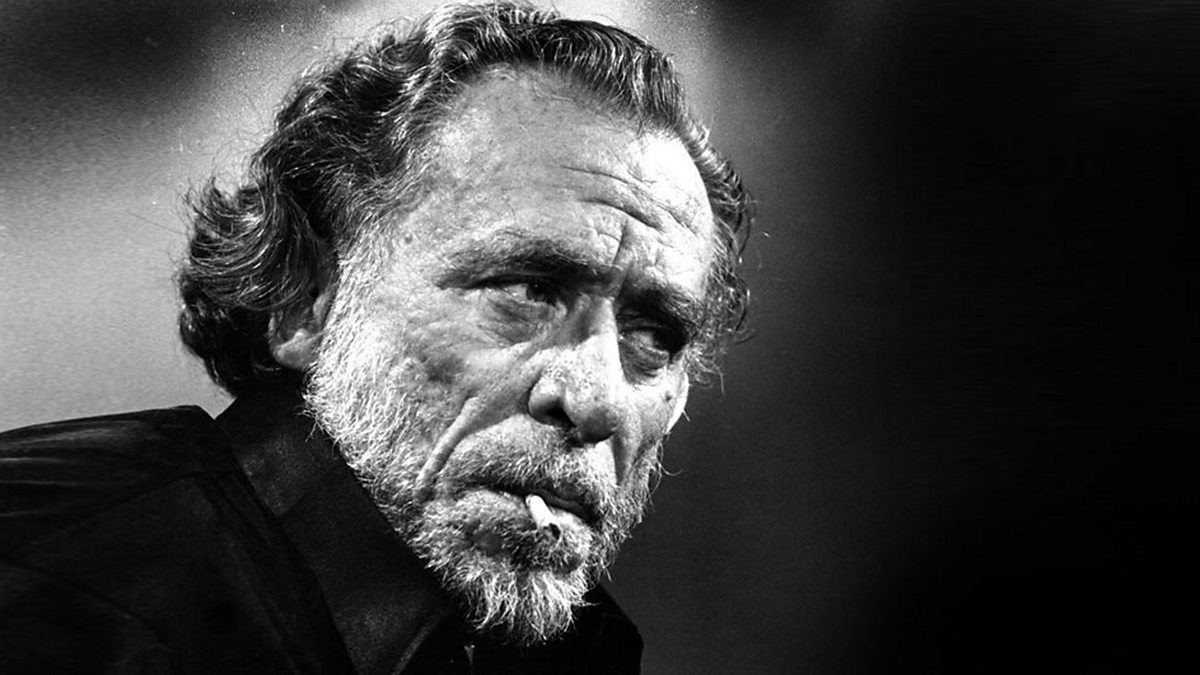
Charles Bukowski delivers a sharp insight with this line:
“An intellectual says a simple thing in a hard way. An artist says a hard thing in a simple way.”
The structure itself reflects the meaning—two mirrored sentences with opposite ideas. In that contrast lies a deeper argument about the true purpose of writing and art.
Bukowski was known for rejecting pretension. Having spent much of his life outside elite literary circles, he developed a strong instinct for recognizing the difference between language that clarifies and language that merely tries to impress.
What The Quote Really Means
In Bukowski’s view, the “intellectual” takes a straightforward idea—something basic like an emotion or observation—and complicates it. Through jargon, abstraction, and over-explanation, the original meaning becomes buried. The result is writing that may sound sophisticated but often leaves the reader confused.
The “artist,” on the other hand, does the reverse. They take something genuinely complex—pain, isolation, or quiet emotional tension—and express it in a way that is instantly felt and understood. No excessive explanation, no unnecessary complexity—just clarity and impact.
In simple terms:
- One approach hides meaning behind complexity
- The other reveals depth through simplicity
Though both may appear similar on the surface, their purpose and effect are entirely different.
The Origins Of This Perspective
Bukowski’s outlook was shaped by his life. Born in Germany in 1920 and raised in poverty in Los Angeles, he worked ordinary jobs while writing persistently. His recognition did not come through academic approval but through readers who connected with the honesty of his work.
He had little respect for literary traditions that prioritized complexity over clarity. To him, much of academic writing made ideas harder to understand rather than clearer.
His own style reflected the opposite: direct language, vivid imagery, and an immediate connection between feeling and expression.
Importantly, Bukowski was not against intelligence—he was against unnecessary performance. His criticism was aimed at using complexity as a barrier rather than a tool.
A Deeper Insight: Simplicity Requires Courage
Another powerful idea from Bukowski adds depth to this perspective:
“The words you need are always there. They are just hidden under the fear.”
This suggests that complicated language is often a shield. Speaking plainly requires vulnerability. If a simple statement fails, there is nothing to hide behind. Complexity, however, can mask uncertainty.
For Bukowski, true artistry lies in embracing that risk—expressing difficult truths clearly and trusting that honesty will resonate.
The difference, then, is not intelligence but intention:
- The intellectual seeks to appear impressive
- The artist seeks to be understood
How To Apply This Idea Today
1. Focus On Clarity Over Performance
Before writing or speaking, ask yourself: are you trying to communicate or impress? The goal should always be clear understanding.
2. Remember That Simple Doesn’t Mean Basic
Some of the most profound ideas in history are expressed in simple language. Depth does not require complexity.
3. Recognize Complexity As A Defense
If you find yourself using overly complicated words or structures, pause. Often, it reflects hesitation or fear rather than necessity.
4. Practice Saying Difficult Things Clearly
The real challenge is expressing complex emotions or ideas in a way that feels natural and direct. That’s where impactful communication happens.
Charles Bukowski’s insight cuts through unnecessary complexity to reveal a timeless truth: powerful communication is not about sounding intelligent but about being understood. The ability to express difficult ideas simply is rare because it requires clarity, honesty, and courage. Those who master it create work that resonates deeply and endures—while the rest risk being forgotten behind their own words.