
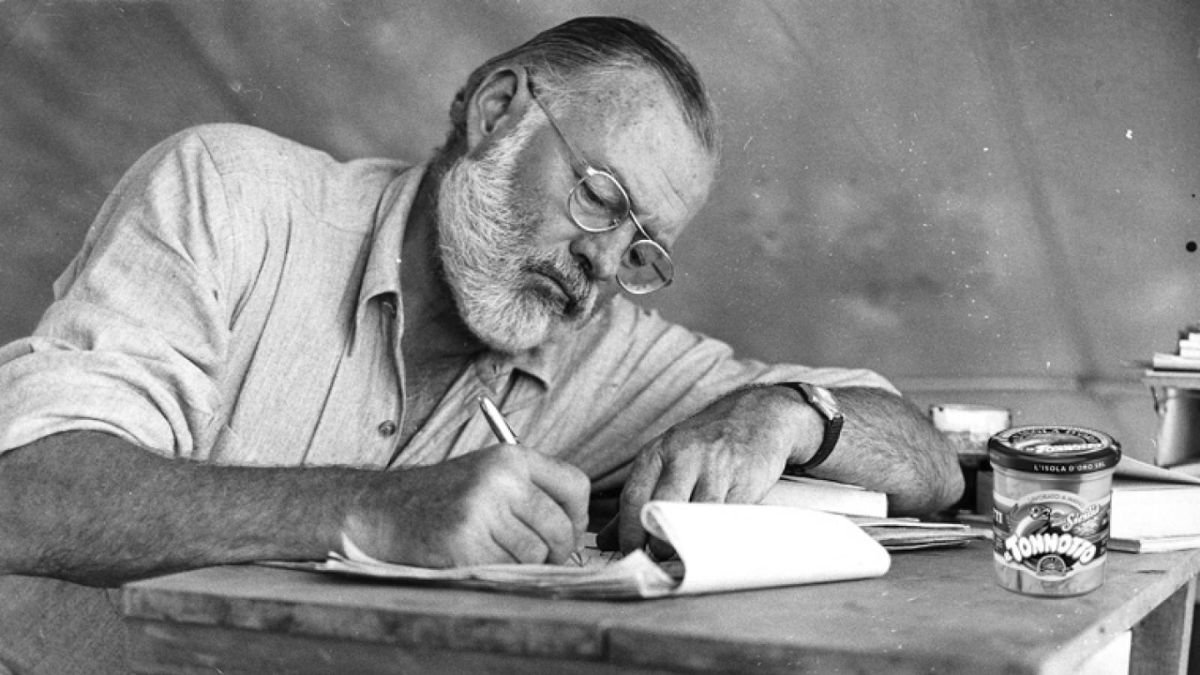
Ernest Hemingway stands among the most influential writers of the 20th century. His distinctive writing style, adventurous life, and emotional honesty reshaped modern literature. His personal experiences deeply influenced his themes, characters, and tone.
Born on July 21, 1899, in Oak Park, Illinois, Hemingway grew up in a middle-class household. His father worked as a doctor, while his mother was a musician. From a young age, he developed a love for nature—fishing, hunting, and outdoor exploration—which later became recurring elements in his work.
Instead of attending college, Hemingway began working as a journalist at The Kansas City Star. This role shaped his writing style—clear, direct, and concise.
War Experience And Literary Breakthrough
During World War I, Hemingway served as an ambulance driver in Italy. He was seriously wounded, and the experience left a lasting impact on both his physical and emotional state. These events later inspired his novel A Farewell to Arms, which explores love and loss during wartime.
His breakthrough came with The Sun Also Rises (1926), a novel that captured the disillusionment of the post-war generation. Many of his protagonists are often described as “Hemingway heroes”—individuals who endure hardship with quiet courage and dignity.
Writing Style And Literary Contribution
Hemingway’s writing is widely admired for its simplicity and power. His famous “Iceberg Theory” suggests that much of a story’s meaning lies beneath the surface, allowing readers to interpret deeper emotions and ideas themselves.
His minimalist approach influenced generations of writers, encouraging clarity, precision, and emotional restraint. Despite his success, his later years were marked by physical injuries, declining health, and depression. Tragically, he died by suicide on July 2, 1961, in Ketchum, Idaho.
Legacy And Lasting Influence
Hemingway’s legacy remains powerful. His life of adventure and struggle shaped his work, while his writing style transformed modern storytelling. He is remembered not only for his literary achievements but also as a symbol of honesty, resilience, and emotional depth.
Quote Of The Day: The Paradox Of Greatness
One of Hemingway’s most thought-provoking reflections is:
“The best people possess a feeling for beauty, the courage to take risks, the discipline to tell the truth, and the capacity for sacrifice.”
This quote highlights a powerful paradox: the very qualities that make people admirable can also make them vulnerable.
A “feeling for beauty” reflects sensitivity—not just to art or nature, but to meaning and goodness in life. However, this awareness also makes individuals more emotionally exposed, allowing them to feel both joy and pain more intensely.
“The courage to take risks” shows a willingness to pursue dreams, challenge norms, or stand for what is right. Yet, risk naturally brings the possibility of failure or loss.
“The discipline to tell the truth” emphasizes honesty, even when it leads to conflict, isolation, or criticism. Truthfulness strengthens character but can also create tension in relationships and society.
“The capacity for sacrifice” reflects selflessness—the readiness to give up comfort or security for others or a greater cause. While admirable, this can lead to exhaustion, loss, or being taken advantage of.
The quote’s deeper message lies in its irony: these virtues can lead to suffering. Sensitivity can result in heartbreak, courage can lead to setbacks, honesty can provoke resistance, and sacrifice can bring personal loss.
However, the quote is not pessimistic. It suggests that vulnerability is the price of greatness. Choosing safety might reduce pain, but it also limits depth, meaning, and moral strength.
Ernest Hemingway’s life and work reveal the power of simplicity, courage, and emotional truth. His writing transformed literature by proving that clarity can carry profound meaning. At the same time, his reflections remind us that true greatness often comes with vulnerability. To live fully—with honesty, bravery, and compassion—is to accept both the rewards and the risks that come with it.