
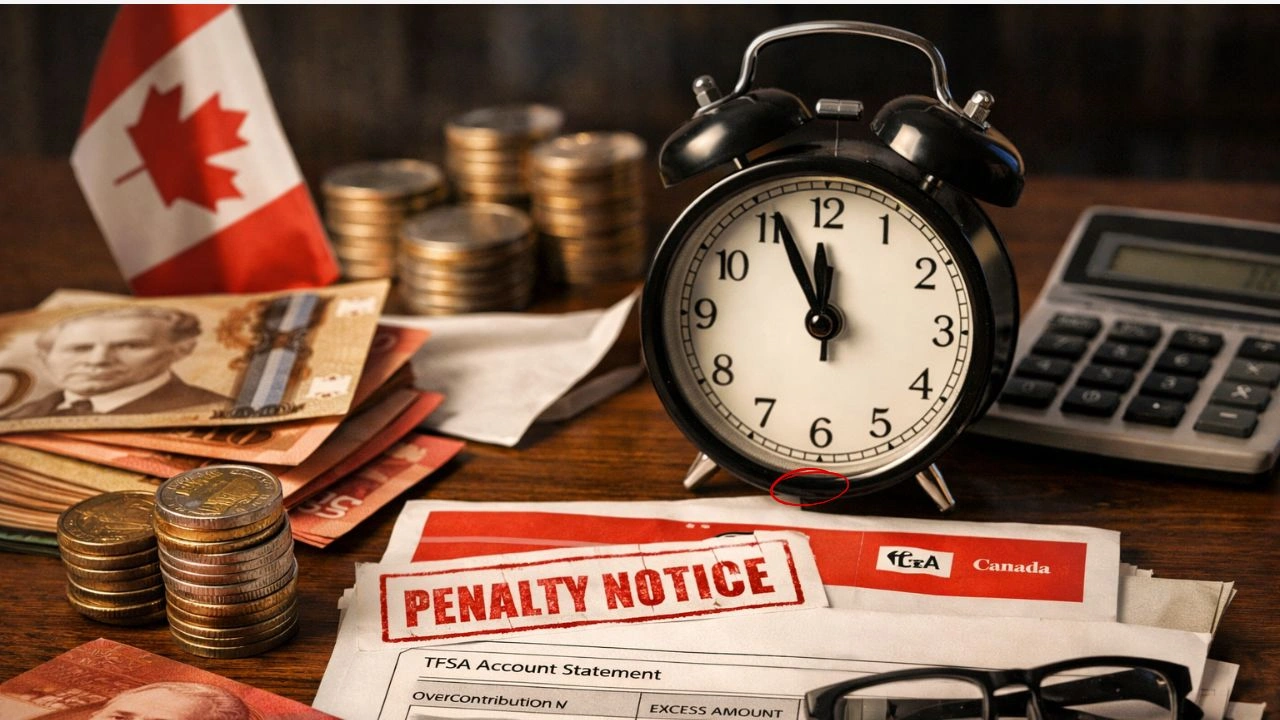
As the new tax year approaches, the Canada Revenue Agency has issued an important warning to investors: TFSA overcontribution fines are increasing in 2026. For Canadians who use the Tax-Free Savings Account as part of their financial planning strategy, understanding the updated TFSA overcontribution penalty rules for 2026 is essential. Even small calculation errors can trigger costly monthly penalties, and with stricter enforcement measures expected, staying compliant has never been more important.
The TFSA remains one of the most powerful savings tools available to Canadians. However, exceeding your contribution limit can result in financial consequences that reduce the benefits of tax-free growth. The rising TFSA overcontribution fines in 2026 serve as a reminder that accurate tracking and careful planning are critical before the new tax year begins.
Understanding the TFSA and Contribution Limits
What Is a TFSA
The Tax-Free Savings Account allows Canadians aged 18 and older to grow investments tax-free. Income earned inside a TFSA, including interest, dividends, and capital gains, is not taxed, even when withdrawn.
Each year, the government sets an annual TFSA contribution limit. Any unused contribution room carries forward indefinitely. Withdrawals create new room, but only in the following calendar year.
Why Contribution Limits Matter
The annual TFSA contribution limit is strictly enforced. Contributing more than your available room results in an overcontribution. The CRA applies a penalty tax on excess amounts for each month they remain in the account.
With TFSA overcontribution fines rising in 2026, exceeding your limit could have a more significant financial impact than in previous years.
What Is Changing in 2026
Increased Enforcement and Penalty Focus
For 2026, the CRA has emphasized stricter monitoring of TFSA compliance. While the basic penalty structure may remain percentage-based, enforcement intensity and review processes are expected to increase.
The standard penalty for TFSA overcontribution is typically 1 percent per month on the highest excess amount. However, the financial burden becomes more significant as limits increase and account balances grow.
Why Penalties Are Rising in Importance
As contribution limits expand and more Canadians invest larger sums, even minor errors can translate into higher monthly penalty amounts. The phrase TFSA overcontribution fines rising in 2026 reflects the growing financial impact of these penalties, especially for high-balance accounts.
How TFSA Overcontribution Penalties Are Calculated
Monthly Penalty Structure
If you exceed your TFSA limit, the CRA imposes a 1 percent monthly tax on the highest excess amount during each month the overcontribution remains.
For example, if you exceed your limit by $2,000, you may owe $20 per month until the excess is removed.
Compounding Financial Impact
While the monthly percentage appears small, penalties accumulate quickly if the excess remains uncorrected for several months. With rising investment balances in 2026, larger overcontributions could result in more substantial fines.
Table: TFSA Overcontribution Overview for 2026
| Element | Details |
|---|---|
| Account Type | Tax-Free Savings Account |
| Year of Concern | 2026 |
| Overcontribution Penalty | 1 percent per month |
| Applied To | Highest excess amount |
| Enforcement | CRA monitored |
| Avoidable | Yes, with proper tracking |
| Correction Method | Withdraw excess funds |
| Impact | Reduces tax-free growth |
Common Causes of TFSA Overcontributions
Misunderstanding Withdrawal Rules
One of the most frequent errors occurs when individuals withdraw funds and recontribute the same amount within the same calendar year. The withdrawn amount does not create new room until January of the following year.
Not Tracking Multiple Accounts
Many Canadians hold multiple TFSAs at different financial institutions. Failing to track total contributions across all accounts can lead to accidental overcontributions.
Relying Solely on CRA Estimates
The CRA online account provides TFSA room information, but it may not reflect recent contributions immediately. Relying exclusively on this figure without personal tracking can cause mistakes.
Who Is Most at Risk in 2026
High-Income Investors
Individuals maximizing annual contribution limits and managing large investment portfolios are more likely to encounter errors.
New TFSA Account Holders
First-time investors unfamiliar with contribution rules may accidentally exceed their limits.
Canadians With Irregular Contributions
Those making lump-sum deposits or transferring funds between accounts may miscalculate available room.
Steps to Avoid TFSA Overcontribution Penalties in 2026
Track Contributions Carefully
Maintain a personal record of all TFSA contributions and withdrawals. Do not rely solely on financial institutions to track your total room.
Verify Contribution Room Before Depositing
Before making a deposit in 2026, confirm your available contribution room using updated tax documents and previous records.
Remove Excess Contributions Promptly
If you discover an overcontribution, withdraw the excess amount immediately to minimize monthly penalties.
What to Do If You Overcontribute
Withdraw the Excess Amount
Removing the excess as soon as possible stops further monthly penalty charges.
File Required Forms
The CRA may require completion of specific forms to report and resolve TFSA overcontributions.
Request Relief in Certain Cases
In rare situations, the CRA may waive penalties if the overcontribution was a genuine error and corrective action was taken promptly.
Financial Planning Considerations for 2026
Incorporate TFSA Tracking Into Budgeting
As part of tax planning for 2026, ensure your TFSA contributions align with your broader financial strategy.
Consider Automatic Contribution Limits
Some investors choose to schedule contributions carefully to avoid exceeding limits.
Consult a Financial Advisor
Professional advice can help reduce compliance risks and ensure proper contribution management.
Long-Term Impact of Overcontribution Fines
Reduced Investment Growth
Penalties erode the benefits of tax-free compounding. Funds paid in penalties could have otherwise grown within the account.
Administrative Burden
Resolving overcontribution issues may require paperwork and communication with the CRA.
Preparing Before the New Tax Year
With TFSA overcontribution fines rising in 2026, preparation before the tax year begins is crucial. Reviewing contribution history, understanding annual limits, and confirming unused room can prevent costly mistakes.
Taking proactive steps now ensures compliance and preserves the advantages of tax-free investing.
Conclusion
The warning that TFSA overcontribution fines are rising in 2026 highlights the importance of careful financial management. While the TFSA remains one of the most powerful savings vehicles available to Canadians, exceeding contribution limits can result in avoidable penalties.
By tracking contributions accurately, verifying available room before depositing funds, and correcting mistakes promptly, Canadians can protect their tax-free investment growth. As the 2026 tax year approaches, staying informed about TFSA overcontribution penalty rules will help investors avoid unnecessary fines and maintain financial confidence.
FAQs
1. What happens if I overcontribute to my TFSA in 2026?
If you exceed your TFSA contribution limit in 2026, the CRA may charge a penalty tax of 1 percent per month on the highest excess amount. This penalty continues until the overcontributed funds are withdrawn or new contribution room becomes available in the following year.
2. How can I avoid TFSA overcontribution penalties in 2026?
To avoid TFSA overcontribution fines in 2026, track all deposits and withdrawals carefully, confirm your available contribution room before adding funds, and monitor multiple TFSA accounts if you have them. Keeping accurate records helps prevent accidental excess contributions.
3. What should I do if I realize I contributed too much to my TFSA?
If you discover an overcontribution, withdraw the excess amount as soon as possible to stop further monthly penalties. You may also need to complete required CRA forms and, in some cases, request relief if the mistake was unintentional and corrected quickly.