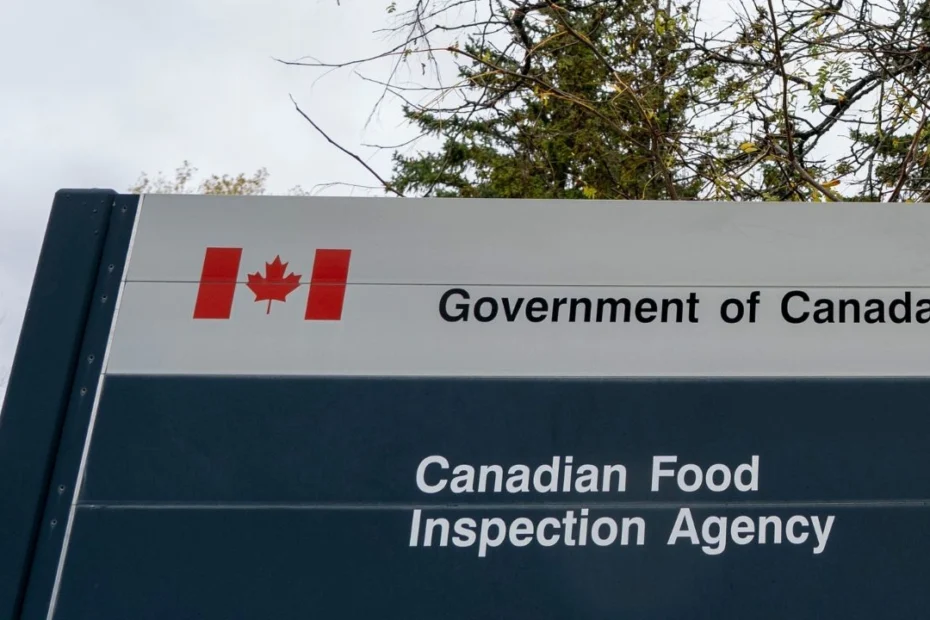
Egg items are being pulled from shelves in Ontario and Quebec following a Salmonella alert, raising immediate food safety concerns among consumers. Health authorities have urged residents to check their kitchens for affected products and avoid consumption. The recall impacts multiple distribution channels, including grocery stores and food service suppliers. This precautionary step aims to reduce the risk of infection while investigations continue into the source and extent of the contamination linked to these egg products.
The Salmonella alert connected to egg items being pulled from shelves in Ontario and Quebec highlights the ongoing challenges of foodborne illness prevention. Salmonella is a harmful bacterium that can cause symptoms such as diarrhea, fever, and abdominal cramps. In severe cases, it may require hospitalization, particularly for young children, elderly individuals, and those with weakened immune systems. Authorities emphasize the importance of proper food handling to minimize potential exposure and reduce the spread of infection.
Officials have identified specific batches linked to the Salmonella alert, prompting egg items to be removed quickly from circulation in Ontario and Quebec. Retailers have been instructed to halt sales and isolate affected inventory. Consumers who have purchased these products are advised to return them or dispose of them safely. The recall process is being closely monitored to ensure compliance and protect public health as authorities work to contain any further risk.
Egg items being pulled from shelves in Ontario and Quebec following a Salmonella alert also underline the role of traceability systems in modern food safety. Tracking production lines and supply chains allows investigators to pinpoint contamination sources more efficiently. This helps prevent additional outbreaks and strengthens accountability among producers and distributors. Such systems are critical in ensuring that contaminated food does not continue circulating in the market.
Public health agencies are actively communicating updates regarding egg items being pulled from shelves in Ontario and Quebec following a Salmonella alert. Clear guidance is being provided through official websites and media channels. Consumers are encouraged to stay informed and follow recommended safety measures, including proper cooking temperatures and hygiene practices. Timely communication plays a vital role in limiting panic while ensuring that accurate information reaches affected communities quickly.
Food safety experts note that recalls like egg items being pulled from shelves in Ontario and Quebec following a Salmonella alert are not uncommon but should be taken seriously. Even well-regulated systems can experience lapses due to contamination during production or distribution. Regular inspections and strict compliance standards are essential in reducing such risks. This incident serves as a reminder of the importance of maintaining vigilance across all stages of food handling.
Businesses affected by egg items being pulled from shelves in Ontario and Quebec following a Salmonella alert may face financial and reputational challenges. Product recalls can disrupt supply chains and lead to losses for producers and retailers alike. However, swift action and transparency are critical in maintaining consumer trust. Companies that respond responsibly to such situations are better positioned to recover and demonstrate their commitment to safety.
Egg items being pulled from shelves in Ontario and Quebec following a Salmonella alert reinforce the need for consumer awareness and proactive behavior. Individuals should routinely check recall notices and handle food with care to reduce health risks. While authorities continue their investigation, cooperation between regulators, businesses, and the public remains essential. Staying alert and informed is the most effective way to navigate such food safety concerns and protect overall well-being.