
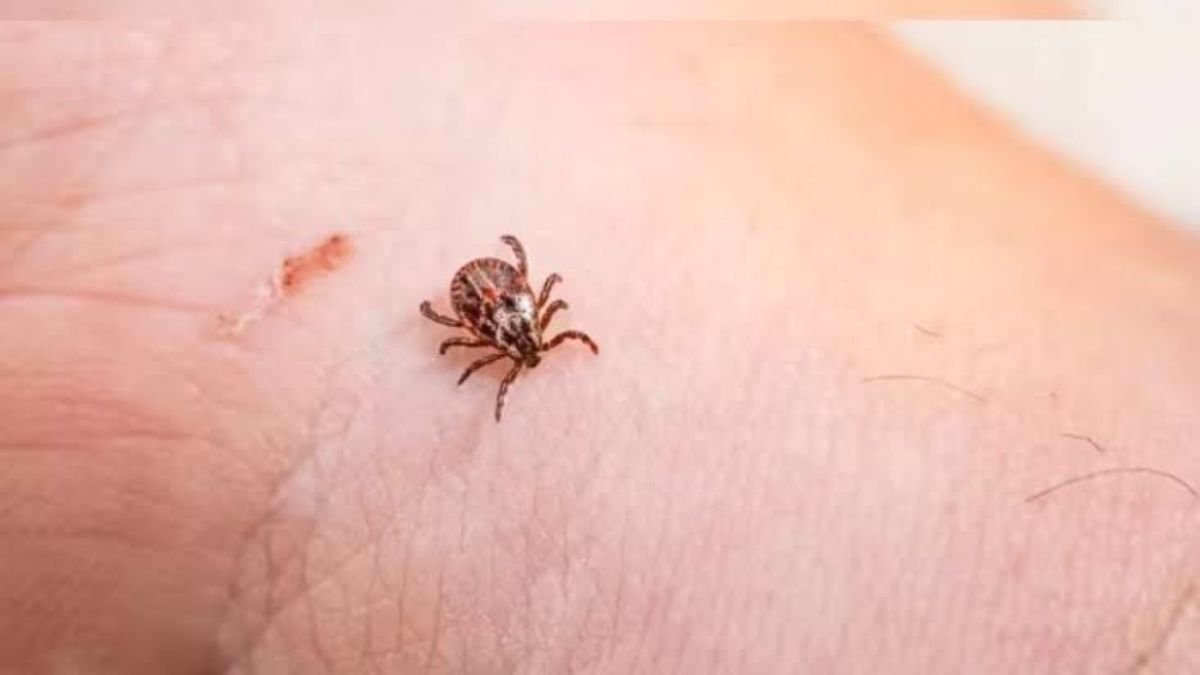
A new paper in the Canadian Medical Association Journal is urging physicians to consider anaplasmosis when patients arrive with unexplained fever, especially in parts of eastern Canada where blacklegged ticks are becoming more common.
The illness is carried by the same tick species that spreads Lyme disease and can become serious if treatment is delayed.
Case Involved a 79-Year-Old Man in Eastern Ontario
The paper’s senior author, Dr. Michael Quon, an internal medicine specialist at The Ottawa Hospital, and his colleagues described the case of a 79-year-old man from rural eastern Ontario.
The patient developed fever, chills and widespread weakness that caused him to fall. He did not remember being bitten by a tick, but he lived in an area where tick-borne illness is present and often spent time in wooded areas.
Patient Developed Serious Complications
While in hospital, the man was found to have a low blood cell count.
He later developed shortness of breath, mild kidney injury and myocarditis, which is inflammation of the heart muscle.
Doctors treated him with doxycycline, an antibiotic commonly used for suspected tick-borne infections, including Lyme disease and anaplasmosis.
Doxycycline Led to Quick Improvement
The patient improved quickly after receiving doxycycline and eventually made a full recovery.
Laboratory results later confirmed that he had anaplasmosis.
Quon said the case is important because doctors are seeing this infection more often in clinical practice, even though it was not commonly encountered in hospitals just a few years ago.
Symptoms Can Be Easy to Miss
Anaplasmosis can be difficult to recognize because its early symptoms are broad and can resemble many other illnesses.
Patients may experience fever, fatigue, chills, headache, weakness or digestive symptoms.
Because these signs are not specific, doctors may not immediately suspect a tick-borne infection unless they ask about outdoor exposure or consider the patient’s location.
Doctors Asked to Consider Tick Exposure
The CMAJ paper advises physicians to ask patients whether they spend time outdoors, especially in wooded or grassy areas.
Doctors should also ask whether patients use protection such as DEET-based insect repellent, wear appropriate clothing or check themselves for ticks after outdoor activity.
However, the paper also notes that many people with tick-borne illness do not remember being bitten, making diagnosis more challenging.
Why Early Treatment Matters
Quon’s main message to physicians is that if anaplasmosis is clinically possible, treatment should begin quickly instead of waiting for lab confirmation.
The disease is highly treatable with doxycycline, but delayed treatment can lead to serious complications.
Untreated anaplasmosis may cause myocarditis, brain inflammation, acute respiratory distress, kidney failure and other severe outcomes.
Blacklegged Ticks Expanding in Canada
Jules Koffi, a senior epidemiologist with the Public Health Agency of Canada, said blacklegged tick populations have been increasing from Manitoba eastward.
The growth is especially noticeable in Ontario, Quebec and Nova Scotia.
As tick populations expand, illnesses such as Lyme disease and anaplasmosis are also being reported more often.
More Ticks Testing Positive for Anaplasmosis Bacteria
Among ticks collected for testing in 2024, about six per cent were positive for Anaplasma phagocytophilum, the bacteria that causes anaplasmosis.
That was up from three per cent in 2022, according to Koffi.
Anaplasmosis Versus Lyme Disease
Doctors are being urged to think about both Lyme disease and anaplasmosis when patients have symptoms after possible tick exposure.
One key difference is that Lyme disease often begins with an expanding rash.
Anaplasmosis, however, usually appears more like a flu-like illness and often does not cause a rash.
A low blood cell count can also point doctors toward anaplasmosis.
Co-Infection Is Possible
Koffi also noted that patients can be infected with both Lyme disease and anaplasmosis at the same time.
That is because the same blacklegged tick can carry more than one disease-causing organism.
This makes testing and clinical judgment important when patients have symptoms after outdoor exposure.
Experts Still Encourage Outdoor Activity
Despite rising tick-borne illnesses, infectious disease specialists say people should not avoid the outdoors.
Dr. Jeffrey Pernica, an infectious diseases specialist at Hamilton Health Sciences’ McMaster Children’s Hospital, said people should continue spending time outside while taking basic precautions.
How to Prevent Tick Bites
People can lower their risk by wearing insect repellent containing DEET or Icaridin, staying on clear trails, wearing long sleeves and pants, and checking their skin and clothing after being outdoors.
Parents should also check children carefully.
Pernica said bathing children daily during tick season can help parents spot ticks quickly.
Check Hidden Areas of the Body
Ticks can attach to hard-to-see areas.
Experts recommend checking the scalp, behind the ears, armpits, waistline, groin, genitals, backs of knees and the backside.
Finding and removing ticks early can sharply reduce the chance of infection.
Remove Ticks Promptly and Correctly
The Public Health Agency of Canada advises using clean, fine-point tweezers to grasp the tick as close to the skin as possible.
The tick should be pulled straight out slowly without twisting or squeezing.
After removal, the bite area should be cleaned with soap and water or an alcohol-based sanitizer.
Tick Transmission Timing
For anaplasmosis, the Public Health Agency of Canada says infected blacklegged ticks and western blacklegged ticks usually transmit the bacteria after 24 to 48 hours of attachment, although transmission can happen in less time.
This is why daily tick checks are important during summer and after outdoor activities.
Submit Tick Photos for Identification
Canadians who remove a tick can take a photo and submit it to eTick.ca for identification.
This can help people learn what type of tick they found and also supports tick monitoring efforts across Canada.
The rise of anaplasmosis in eastern Canada is a reminder that Lyme disease is not the only tick-borne illness doctors and patients need to consider. The CMAJ case shows how anaplasmosis can begin with vague symptoms but progress to serious complications, including heart inflammation.
Because the infection is treatable with doxycycline, early recognition, outdoor exposure questions and quick treatment can make a major difference. For the public, daily tick checks, repellents and prompt tick removal remain the best protective steps.