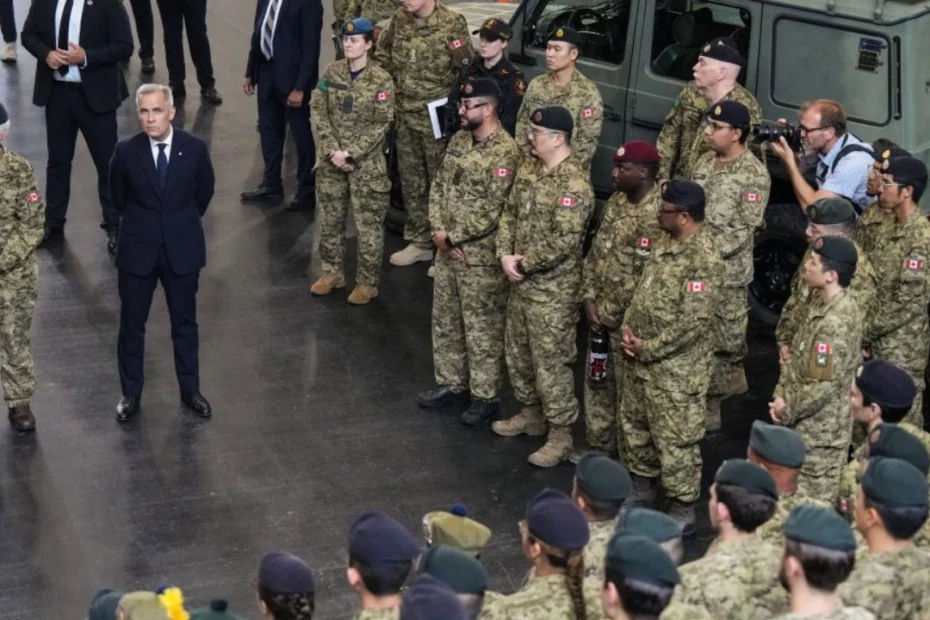
The Canadian military surpasses its recruitment goal after 1,400 permanent residents enlist, marking a significant milestone for the armed forces. This achievement reflects renewed interest in military service and highlights the role of immigration in strengthening national institutions. By welcoming permanent residents into its ranks, the military has expanded its recruitment pool and addressed staffing shortages. This development signals a positive shift in recruitment strategies aimed at meeting operational needs and maintaining readiness across various units.
The decision to allow permanent residents to join contributed directly as the Canadian military surpasses its recruitment goal after 1,400 permanent residents enlist. This policy change opened opportunities for individuals who were previously ineligible, increasing participation. It also aligns with broader efforts to integrate newcomers into Canadian society. By offering a pathway into military service, the armed forces provide permanent residents with a chance to contribute meaningfully while building stable and rewarding careers.
As the Canadian military surpasses its recruitment goal after 1,400 permanent residents enlist, it demonstrates the effectiveness of inclusive recruitment policies. Expanding eligibility criteria has enabled the military to attract diverse talent with a wide range of skills. This diversity strengthens operational capabilities and enhances problem-solving within the forces. A broader talent pool also ensures that the military can adapt to evolving challenges, making it more resilient and capable in various scenarios.
The milestone where the Canadian military surpasses its recruitment goal after 1,400 permanent residents enlist also addresses long-standing recruitment challenges. In recent years, the armed forces faced difficulties in meeting targets due to changing career preferences and demographic shifts. By embracing new approaches, including outreach to permanent residents, the military has successfully increased enlistment numbers. This progress reflects a strategic shift in how recruitment campaigns are designed and implemented.
For permanent residents, the opportunity to join the military as the Canadian military surpasses its recruitment goal after 1,400 permanent residents enlist offers multiple benefits. It provides stable employment, training, and career advancement opportunities. Additionally, military service can foster a strong sense of belonging and national identity. These factors make enlistment an attractive option for individuals seeking both professional growth and a deeper connection to their adopted country.
The achievement that the Canadian military surpasses its recruitment goal after 1,400 permanent residents enlist also has implications for national security. A fully staffed military is better equipped to respond to domestic and international challenges. Increased recruitment ensures that critical roles are filled, supporting operational efficiency. This development strengthens the overall defense framework, allowing the armed forces to maintain readiness and fulfill their responsibilities effectively.
As the Canadian military surpasses its recruitment goal after 1,400 permanent residents enlist, it highlights the importance of adapting to modern workforce trends. Younger generations often seek meaningful careers with growth opportunities, and the military has adjusted its messaging to appeal to these values. By emphasizing purpose, skills development, and inclusivity, recruitment campaigns have become more effective in attracting candidates from diverse backgrounds.
In conclusion, the Canadian military surpasses its recruitment goal after 1,400 permanent residents enlist, showcasing the success of updated recruitment strategies. This milestone reflects the benefits of inclusivity, diversity, and policy innovation. By expanding opportunities and addressing workforce challenges, the military has strengthened its ranks. Continued efforts in this direction can ensure sustained growth and readiness, positioning the armed forces to meet future demands with confidence and capability.