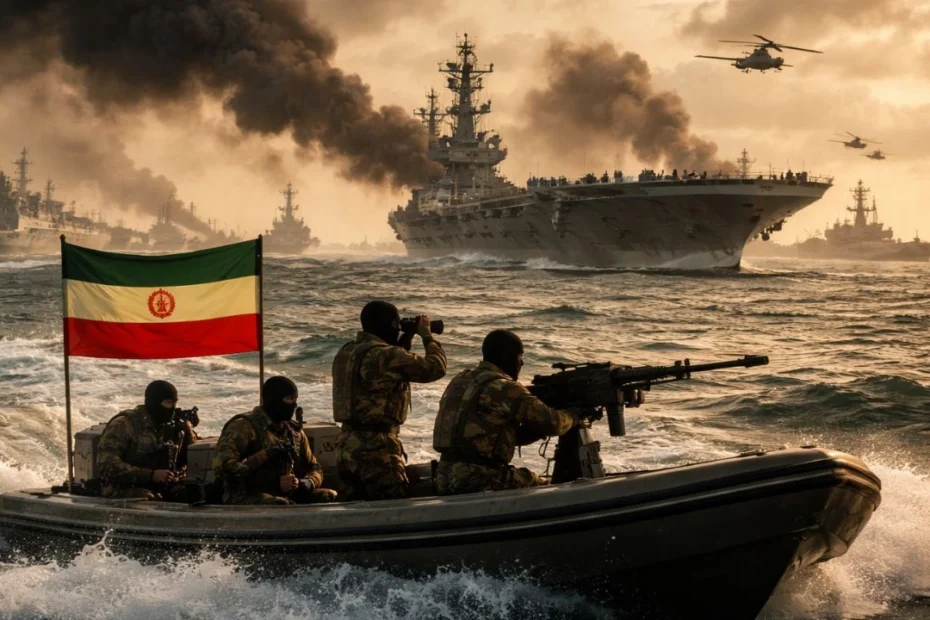
Middle East crisis live: Iran warns it may shut the Strait of Hormuz if the US blockade continues, a development that has intensified global concern over stability in the region. The Strait of Hormuz remains one of the most critical transit routes, linking the Persian Gulf to international markets. Iranian officials have issued statements indicating that continued pressure from the United States could lead to decisive countermeasures, including restricting maritime passage. This warning has sparked immediate reactions from global energy markets, as any disruption in this corridor could significantly impact oil supply chains. The situation reflects ongoing tensions between the two nations, with both sides maintaining firm positions. As diplomatic channels remain strained, the possibility of escalation continues to draw attention from international observers and policymakers monitoring the evolving crisis.
Middle East crisis live: Iran warns it may shut the Strait of Hormuz if the US blockade continues, highlighting the strategic importance of the region in global trade. A significant portion of the world’s oil shipments passes through this narrow waterway, making it a focal point in geopolitical disputes. Iran’s stance suggests that it is prepared to leverage its geographic position in response to economic and military pressure. Meanwhile, the United States has emphasized its commitment to maintaining freedom of navigation, reinforcing its presence in the area. This dynamic creates a complex environment where any miscalculation could lead to broader consequences. Analysts note that such warnings are often part of a broader negotiation strategy, but the risks associated with implementation remain substantial.
Middle East crisis live: Iran warns it may shut the Strait of Hormuz if the US blockade continues, a scenario that could disrupt global markets and increase geopolitical instability. Energy-dependent economies are particularly vulnerable to fluctuations caused by tensions in this region. The potential closure of the strait would likely lead to increased oil prices and supply uncertainties, affecting industries and consumers worldwide. Governments and international organizations are closely monitoring the situation, urging restraint and dialogue to prevent escalation. The crisis also underscores the interconnected nature of global trade, where regional conflicts can have far-reaching impacts. Efforts to de-escalate tensions are ongoing, but progress remains uncertain amid conflicting interests.
Middle East crisis live: Iran warns it may shut the Strait of Hormuz if the US blockade continues, placing the spotlight on the need for diplomatic solutions. The international community has called for negotiations to address the underlying issues driving the conflict. While military posturing continues, there is a shared recognition of the potential consequences of prolonged instability. Both Iran and the United States face pressure to avoid actions that could escalate the situation further. The outcome of this standoff will likely influence regional dynamics and global economic conditions in the coming months. As developments unfold, the focus remains on balancing strategic interests with the need to maintain stability in a critical area of international commerce.