
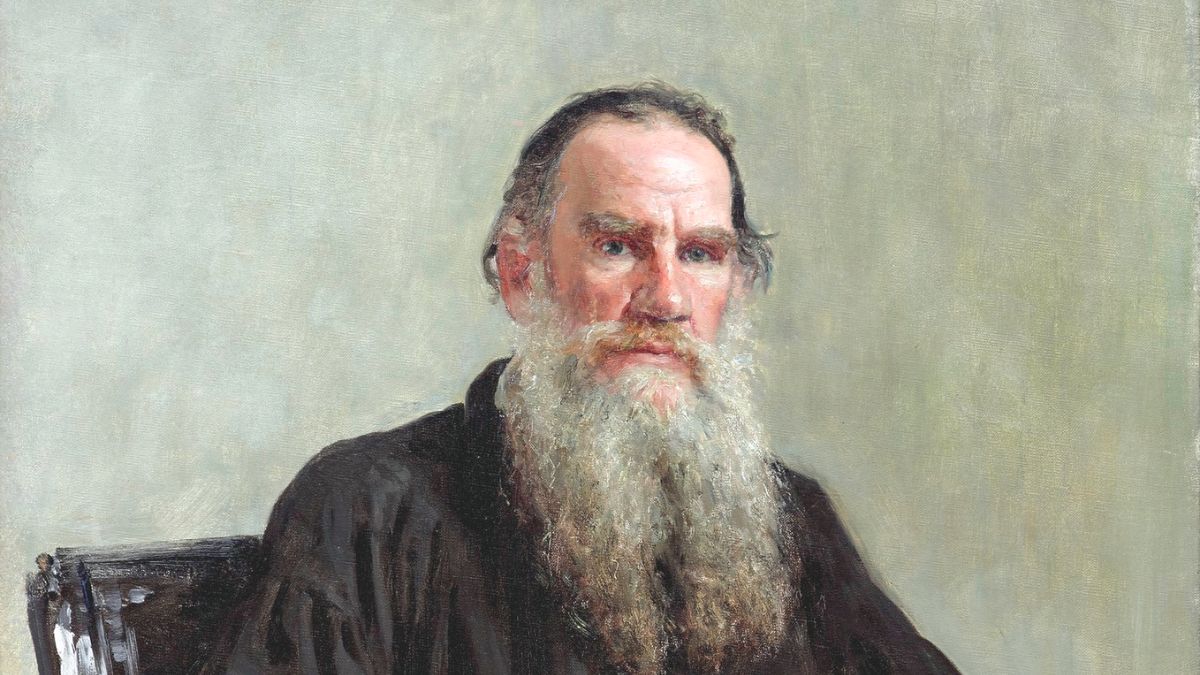
Leo Tolstoy offers a grounded perspective on relationships:
“What counts in making a happy marriage is not so much how compatible you are but how you deal with incompatibility.”
Many people assume that a strong relationship depends mainly on compatibility—shared interests, similar thinking, and aligned lifestyles. While this may feel true at the beginning, differences inevitably appear over time. This quote shifts attention away from finding a “perfect match” and toward managing those differences effectively.
Understanding The Meaning Of The Quote
At first glance, the quote may seem to reduce the importance of compatibility, but it actually reframes the idea. It suggests that disagreements are not the real problem—how couples respond to them is what truly shapes a relationship.
No two individuals are identical. They bring different experiences, values, and habits into a relationship. As a result, conflict is not unusual—it is expected.
The key insight here is that:
- Differences can either create tension or coexist peacefully
- The outcome depends on communication, patience, and understanding
Often, it is not the disagreement itself that causes harm but the reaction—anger, silence, or ego. On the other hand, openness and flexibility can keep even difficult situations manageable.
Why This Idea Feels Real Today
In modern relationships, there is often a strong focus on finding the “ideal partner.” However, real life rarely aligns with this expectation.
In everyday situations, incompatibility shows up in small but constant ways:
- How couples handle finances
- How they respond to stress
- How they spend time and make decisions
These may not seem significant individually, but over time they influence the overall dynamic of the relationship.
Tolstoy’s idea remains relevant because it accepts these realities. Instead of promising a conflict-free relationship, it encourages learning how to live with differences rather than trying to eliminate them.
About Leo Tolstoy
Leo Tolstoy, born in 1828 in Russia, is considered one of the greatest authors in literary history. His works explore human behavior, relationships, and moral choices in great depth.
He is best known for novels like War and Peace and Anna Karenina. These works examine the complexities of relationships and the consequences of personal decisions.
Personal Life And Its Influence
Tolstoy’s own marriage to Sofya Behrs was meaningful but not without challenges. Over time, differences in beliefs and lifestyle created tension, reflecting the very idea expressed in his quote.
Later in life, Tolstoy experienced a deep spiritual transformation, questioning social norms and embracing simplicity and nonviolence. His ideas went on to influence figures like Mahatma Gandhi.
Because of his life experiences, his views on relationships feel practical and rooted in reality rather than theory.
Beyond Literature: His Broader Contributions
Tolstoy’s work extended beyond writing. At his estate in Yasnaya Polyana, he established schools for peasant children and promoted progressive educational ideas focused on freedom and creativity.
He also published journals on education, showing his belief that learning should be natural rather than forced. This aspect of his life highlights his broader interest in how people grow and interact in everyday life.
Leo Tolstoy’s quote offers a realistic and enduring insight into relationships. It reminds us that no partnership is free from differences. What truly determines the strength of a marriage is not perfect compatibility but the ability to handle disagreements with patience and understanding. In the end, relationships are shaped not by how similar people are, but by how they choose to respond to each other.