
When Lauren Skinner Buksevics noticed growing political support last year for removing Canada’s interprovincial trade barriers, she believed the timing was finally right for her family’s winery to expand across the country.
Her business, Painted Rock Estate Winery in Penticton, British Columbia, saw an opportunity to reach more Canadian customers at a time when national attention had turned toward supporting domestic producers.
But one year later, she says many of the same barriers remain, making it easier and cheaper for her winery to sell abroad than within Canada.
U.S. Tariffs Helped Renew Focus on Canadian Trade
The push for internal trade reform gained momentum after tariffs and sovereignty threats from U.S. President Donald Trump created concern about Canada’s economic future.
Because the United States remains Canada’s most important export market, many Canadians began questioning how vulnerable the country was to international trade disruptions.
That concern quickly turned into stronger public support for Canadian producers, Canadian sellers and a more self-reliant domestic economy.
Mark Carney’s Government Promised Internal Trade Reform
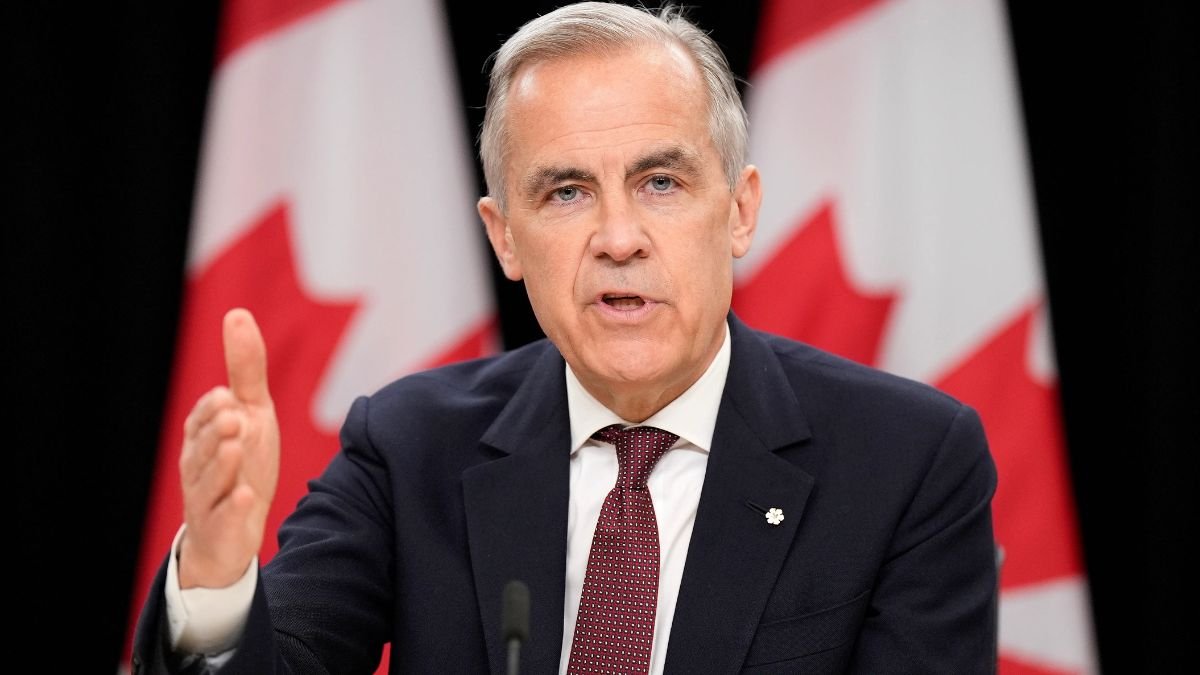
A major part of Prime Minister Mark Carney’s response was a renewed promise to eliminate expensive internal trade barriers between provinces.
These barriers have existed in different forms since Confederation and are often blamed for slowing Canada’s economic growth.
The recently re-elected Liberal government passed the One Canadian Economy Act last June. The law included a commitment for Ottawa to remove the federal portion of internal trade barriers by July 1, 2026.
Federal Barriers Removed, but Larger Problem Remains
A year later, many federal barriers have been removed.
However, critics say federal rules were never the biggest obstacle. The larger challenge remains at the provincial level, where different rules, restrictions and regulations continue to limit free trade inside Canada.
As a result, the broader goal of creating a truly open Canadian economic union has slowed again.
Canada Still Struggles With Internal Free Trade
The stalled progress is especially frustrating because Canada has already signed interprovincial free trade agreements in 1995 and 2017.
Canada’s Constitution also says that products from one province should be admitted freely into other provinces.
Despite this, Canadian governments continue to maintain rules that prevent businesses from selling goods and services smoothly across provincial borders.
B.C. Winery Says Exporting Abroad Can Be Easier
For Skinner Buksevics, who manages Painted Rock Estate Winery, the situation is difficult to understand.
She said that despite countless discussions and interprovincial Zoom calls, it remains easier and cheaper for her winery to sell its signature Bordeaux-style red blend in countries such as Germany than in other Canadian provinces.
Like many business owners, she questions how it makes sense for Canadian products to face fewer obstacles overseas than inside Canada itself.
Canadian Wine Industry Could Grow With Fewer Barriers
Painted Rock Estate Winery is a family-owned 27-acre vineyard.
Skinner Buksevics said that if the winery were allowed to sell freely across Canada, it could increase sales and help strengthen the Canadian wine brand nationally.
She believes many Canadians want to buy Canadian products, but the current system makes that harder than it should be.
Other Sectors Face Similar Problems
The wine industry is not the only sector affected by interprovincial trade barriers.
Similar challenges exist across large parts of the economy, including:
- Building materials
- Agriculture
- Food and beverage industries
- Professional services
- Regulated trades and occupations
Different provincial rules can make it difficult for businesses and workers to operate across Canada, even when demand exists.
Concern That Canada May Miss the Moment
Skinner Buksevics worries that Canada may lose the political momentum that existed last year.
She said she does not want the country to miss the chance to finally become a stronger economic union.
Her concern reflects broader frustration among business owners who expected faster action after Ottawa promised reform.
Don Drummond Says Progress Has Been Limited
Don Drummond, former chief economist at TD Bank and former official at the Department of Finance, said progress in recent months has been limited.
He also said there has been little political pressure on provincial leaders who appear willing to let the opportunity pass.
According to Drummond, Canadians are understandably focused on trade barriers with the United States and other countries. However, they remain too comfortable with the lack of a true internal economic union within Canada.
Why Internal Trade Reform Matters
Removing interprovincial trade barriers could make it easier for Canadian businesses to reach customers in every province.
It could also improve competition, lower costs, expand consumer choice and strengthen the national economy.
For companies like Painted Rock Estate Winery, reform could mean the difference between limited regional growth and true national expansion.